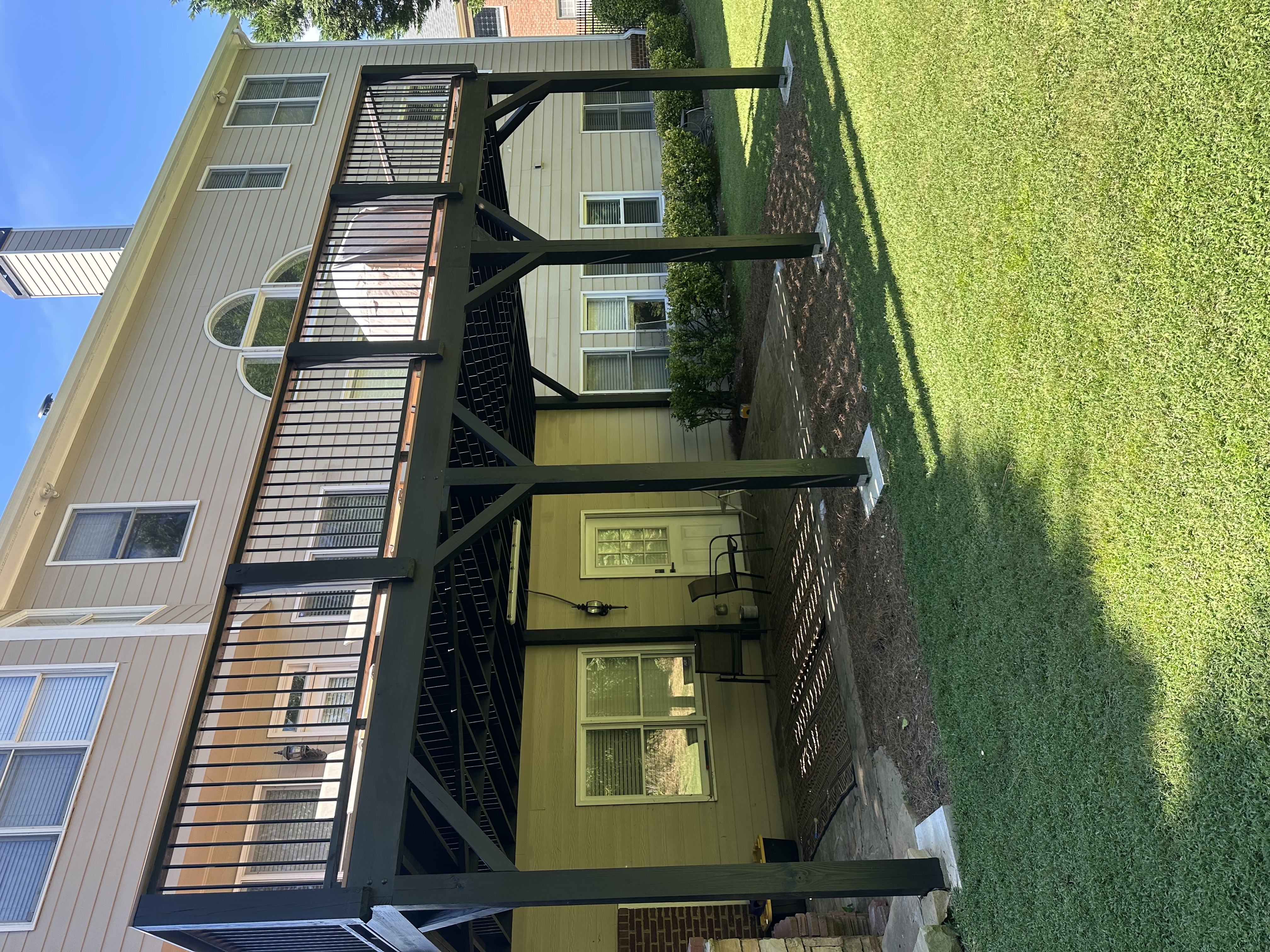
Revolutionary Materials: Exploring the Future of Sustainable Construction Dec 27, 2025
The construction sector plays a pivotal role in reducing carbon emissions and conserving natural resources. One of the most profound changes is the adoption of new, sustainable materials that promise to revolutionize how we build. Some of these innovations are not only environmentally friendly but also offer enhanced performance and aesthetic appeal.
One such revolutionary material is cross-laminated timber (CLT), a product that exemplifies sustainable construction. Engineered from layers of solid-sawn lumber glued together, CLT offers a renewable alternative to traditional building materials like steel and concrete. It provides excellent structural integrity and can significantly reduce the carbon footprint of a project. Furthermore, the aesthetic of timber structures aligns with modern design trends, meeting the demands of clients seeking both beauty and sustainability.
Another cutting-edge material making waves is self-healing concrete. Traditional concrete can suffer from cracks and deterioration over time, resulting in costly repairs and increased resource consumption. Self-healing concrete, however, incorporates bacteria that produce limestone to fill in the cracks as they form, extending the material's lifespan and reducing maintenance costs. This innovation not only saves on resources but also minimizes the environmental impact of frequent construction repairs.
Incorporating recycled materials into construction is another essential strategy for sustainability. Master Tech Industries is at the forefront of using recycled steel, which takes significantly less energy to produce compared to new steel and helps in waste reduction. Recycled steel maintains its structural integrity and durability, making it a practical choice for eco-conscious builders.
Green insulation is another area where sustainable materials shine. Options such as cellulose insulation, made from recycled paper products, and sheep's wool not only reduce energy consumption but also enhance indoor air quality. As energy efficiency becomes a critical concern in construction, these natural insulation materials provide an effective solution.
The rise of 3D-printed buildings is a testament to the rapid advancement in construction technologies. This method uses innovative materials and processes to reduce waste and speed up construction timelines, all while lowering costs. Exploring the potential of 3D printing can further consolidate sustainable practices within the industry, offering new possibilities to tackle environmental challenges.
While these materials represent significant steps forward, education and awareness are crucial to their successful implementation. Companies like Master Tech Industries are committed to leading the charge, ensuring that builders, architects, and clients understand the benefits and applications of sustainable construction. By investing in research and development, we strive to keep up with advancements and kindle a broader shift towards environmentally responsible construction practices.
As we move into the future, the role of builders and remodelers in fostering a sustainable world becomes increasingly central. By embracing these revolutionary materials, we can create safer, more resilient structures that honor the planet. Master Tech Industries is dedicated to exploring these opportunities, to not only meet but exceed expectations in the construction and remodeling space, emphasizing sustainability at every turn. Through informed choices and innovative practices, we can build a legacy of environmental stewardship and set a standard for sustainable construction that others will follow.
/filters:no_upscale()/filters:format(webp)/media/d23435a8-e198-4e68-8335-64d37a3c90d2.jpeg)
/filters:no_upscale()/filters:format(webp)/media/6cdc5d0d-51e5-4667-a0dc-38376b0813ed.jpeg)